

Photographing Children and Vulnerable People: Consent, Privacy and Best Practice
Choosing a photographer when children or vulnerable people are involved isn’t just about style or price - it’s about trust, safeguarding and clear consent. And while I know it’s not the most exciting topic, it is important!
I’m a DBS checked photographer, which means I’m approved to work safely with children and vulnerable adults. More importantly, I follow a clear, respectful process around consent and privacy so clients, parents and organisers can feel confident about how photography is handled before, during and after an event.

Why privacy and consent matter in photography
In today’s digital world, photographs are shared widely across websites, social media, newsletters and marketing materials. While this can be hugely positive (and keeps me busy), it also raises understandable concerns, especially when children or vulnerable people are involved. This issue first came to light during my work with a charity for underprivileged children, and has been echoed again and again across subsequent jobs involving young people, teenagers, and even seniors. More recently, we’ve seen the adverts that demonstrate just how easy it is to overshare about our kids online - names, schools, ages and other details attached to an image can open the doors to unwanted attention - and while I don’t believe in scaremongering, I can see why some parents these days are wary of having their child’s image available on the internet.
Common privacy concerns I’ve heard from parents and business customers include:
- How photographs will be used
- Whether images will appear on social media (mine) and if they are okay to share on theirs
- If names or personal details will be attached
- How long images will be kept (and if I delete my archive copies)
- What happens if someone doesn’t want to be photographed
These concerns are totally valid, and I get it.
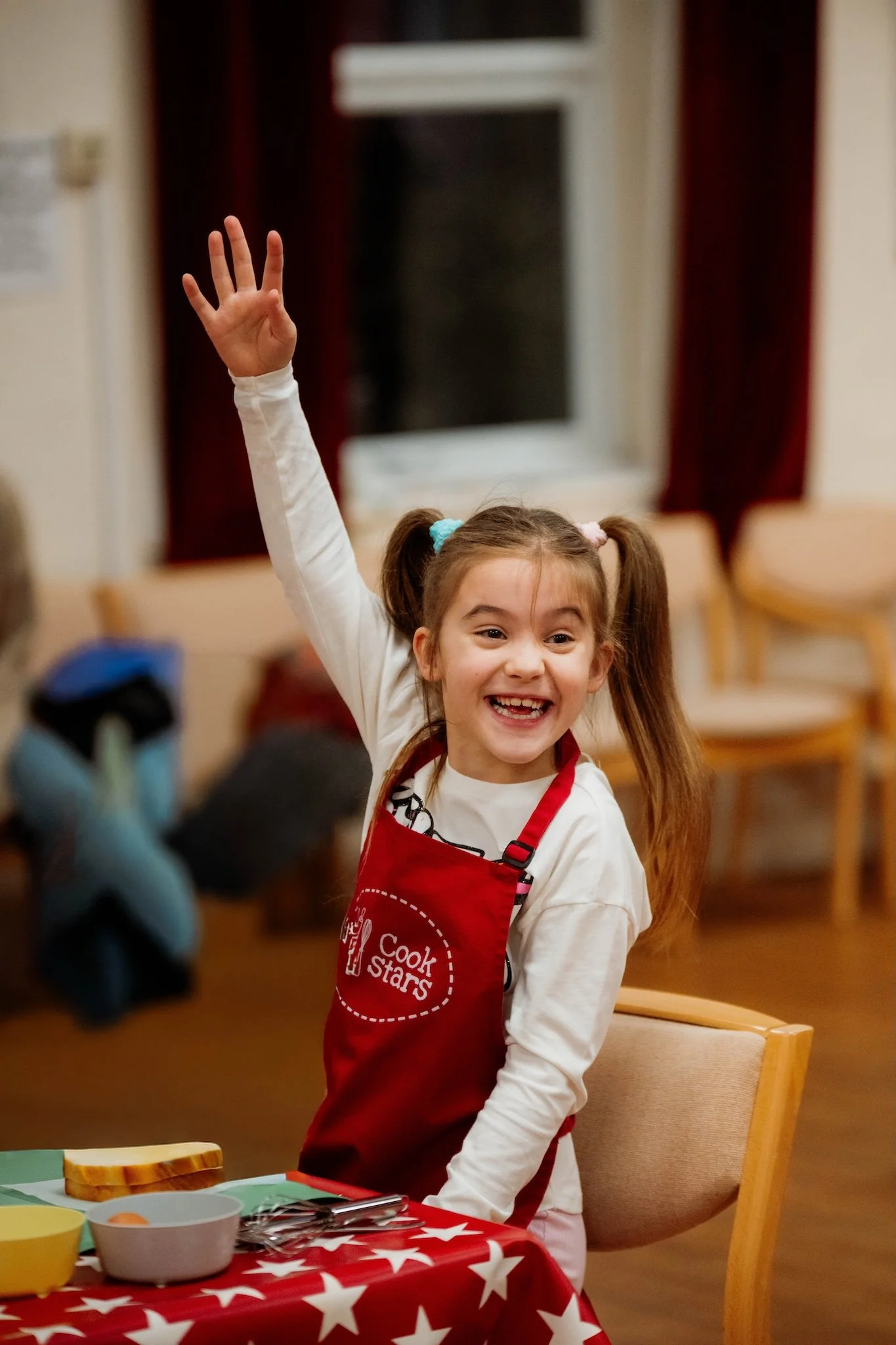
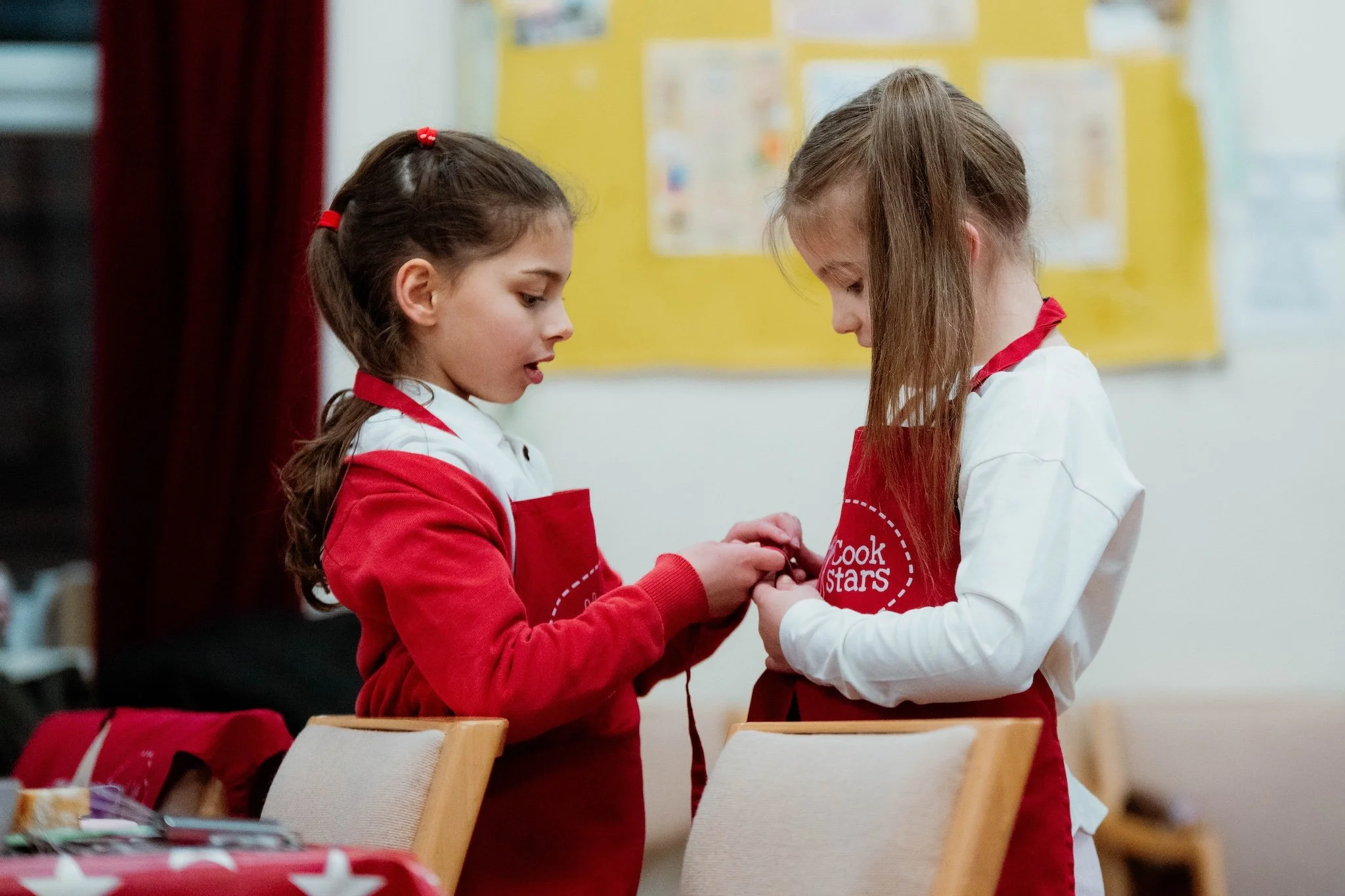

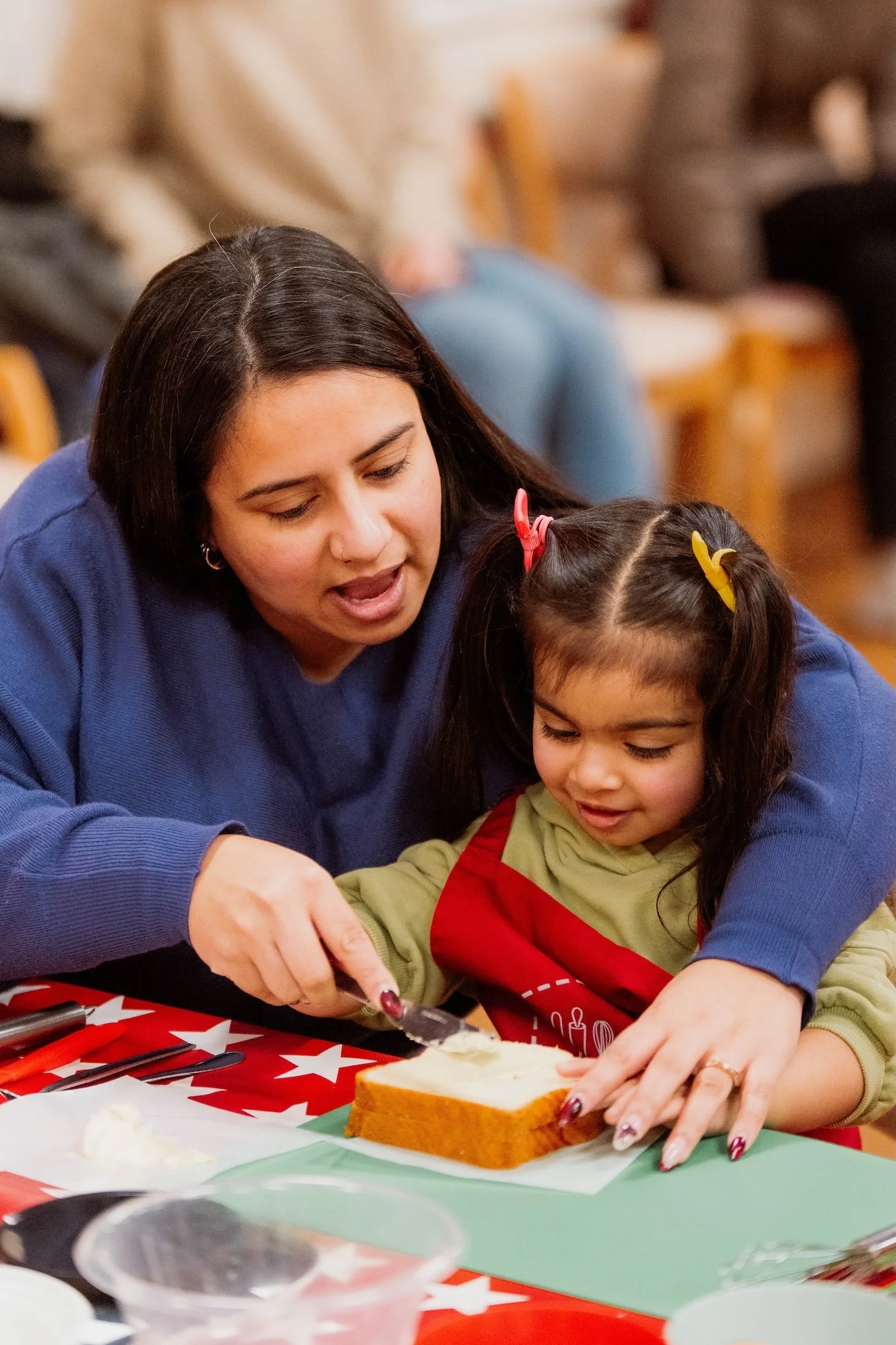
What’s a DBS Check?
Being DBS checked means I’ve undergone official background checks and am cleared to work in environments involving children and vulnerable adults.
For clients, this provides reassurance that I take safeguarding seriously, professional standards are in place and photography is carried out responsibly and ethically. When it comes to consent checks I’ll make them as clear, informed and upfront as I can.
In closed environments before any photography takes place, I ask my families and clients to sign a disclaimer that clearly explains where images may be used by me (eg. website or social media), and explain that consent can be refused or limited by request. It’s slightly different for public events however; in this case I ask that clients take responsibility for those involved in the shoot knowing that I will be there and that professional photography is taking place (and ask them to make it known to me if anyone is not willing to be photographed). This is a shared responsibility. Having said that, when photographing posed groups in a public forum, I will still ask for verbal permission (and no minors without parental agreement). Public events can be tricky to manage which is why clarity is essential.
Managing group photography with a coloured wristband system
When photographing groups or events for a customer — particularly at events involving children — it’s essential to avoid confusion around who can and cannot be photographed. To manage this safely and respectfully, I use a coloured wristband system which I have developed from shooting with charity clients and organisations that support young people. Anyone without consent to be photographed is given a clearly identifiable wristband and this allows me to recognise them instantly while shooting. As avoiding individuals in large group shots can be tricky, this system gives me peace of mind that if I do catch them in a shot or two, I can delete these images from my files during the edit stage, or at the very least ensure they’re unrecognisable.



Why best practice photography benefits everyone
By being DBS checked, using clear consent forms, implementing practical systems like coloured wristbands, and respecting people’s choices at every stage I can feel confident I’m doing all I can to handle my work responsibly and professionally.
My approach is always to be:
1. Calm and unobtrusive
2. Respectful of personal space and boundaries
3. Guided by people’s comfort levels
4. If someone doesn’t want to be photographed, that decision is respected immediately and without question.
If you’d like to discuss how this works for your school, charity, organisation or event, I’m always happy to talk it through. Get in touch
*Permission was obtained to show each of the children in the featured photographs.
